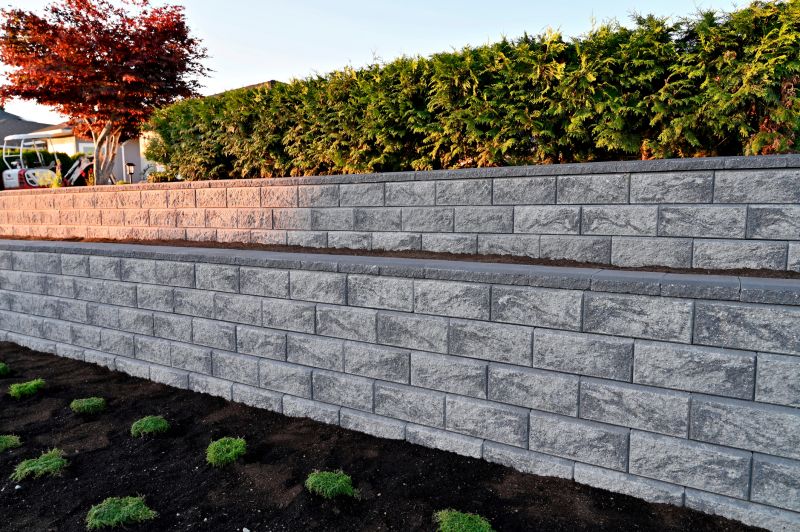
Retaining Wall Installation in Tampa, FL
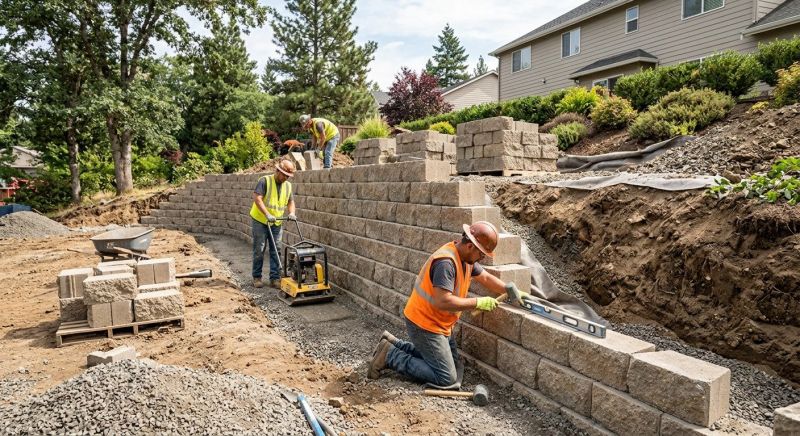
Retaining wall installation services involve constructing structures designed to hold back soil and prevent erosion on residential properties. These walls are often used to create level areas in sloped yards, improve drainage, or define landscape features such as gardens, terraces, or patios. Property owners typically request retaining walls for both functional purposes-such as stabilizing uneven terrain-and aesthetic enhancements to improve curb appeal. It’s important to consider the type of materials, the size and height of the wall, and the specific landscape challenges before requesting installation services.
Homeowners interested in retaining wall projects should understand the scope of the work, including site preparation, material options like concrete, stone, or timber, and the potential need for drainage solutions. Clear communication about the desired outcome and any existing landscape conditions can help ensure the project meets expectations. Proper planning and understanding of the basic requirements can facilitate a smooth installation process and result in a durable, visually appealing addition to the property.
Many property owners in Tampa, FL look into Retaining Wall Installation for repairs, replacements, upgrades, and appearance-related improvements.
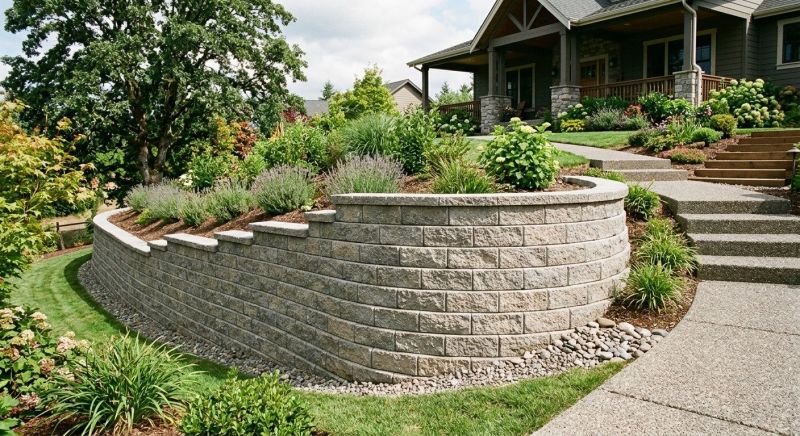
Types Of Retaining Walls
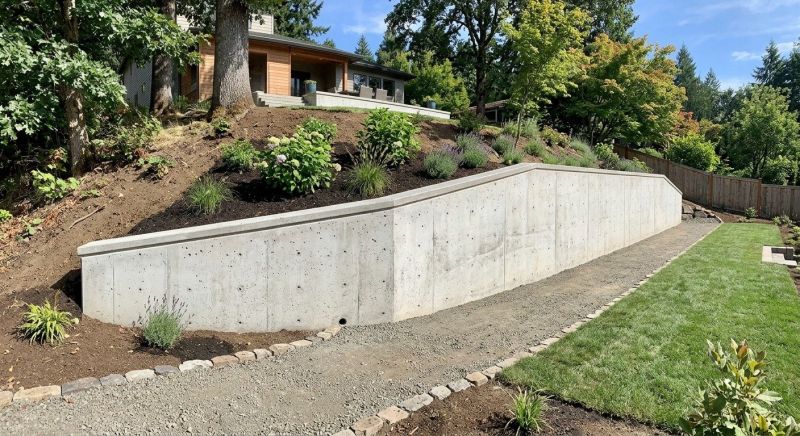
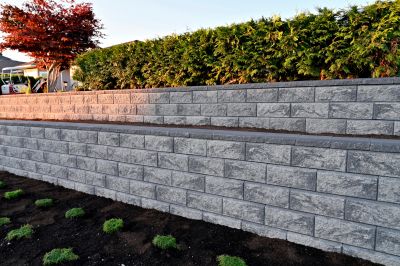
Various materials like concrete, stone, and timber are used to suit different landscape needs.
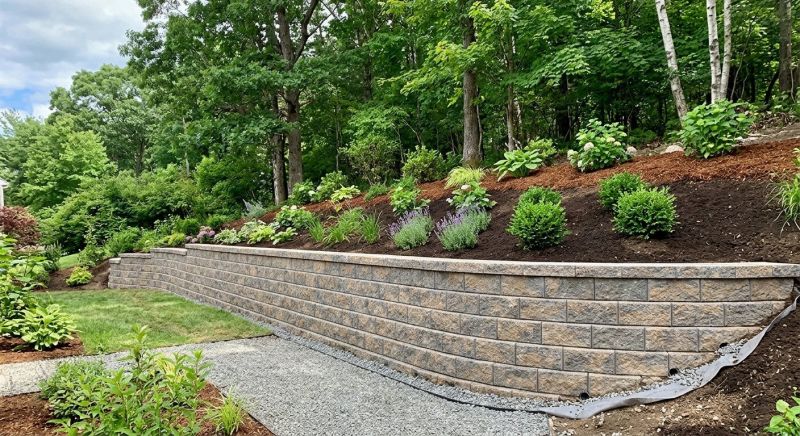
Benefits Of Retaining Walls
They help prevent soil erosion, manage slopes, and enhance the landscape's appearance.
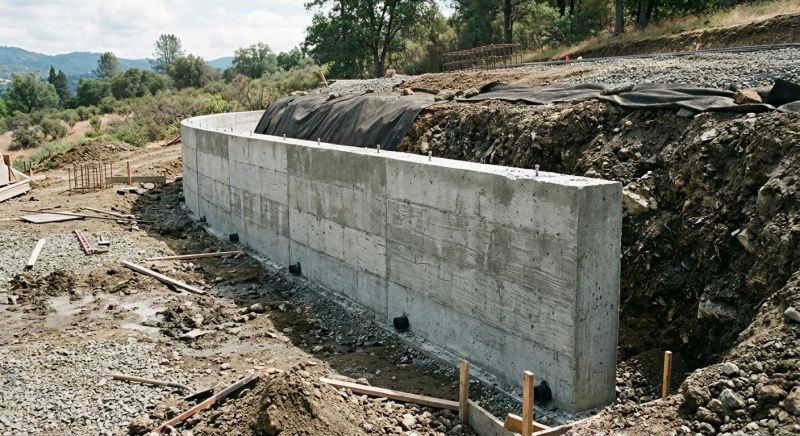
Common Projects
Retaining walls are often installed for garden terraces, property leveling, and decorative features in tampa, fl.
Retaining Wall Installation in Tampa, FL

Retaining wall installation services involve constructing structures designed to hold back soil and prevent erosion on residential properties. These walls are often used to create level areas in sloped yards, improve drainage, or define landscape features such as gardens, terraces, or patios. Property owners typically request retaining walls for both functional purposes-such as stabilizing uneven terrain-and aesthetic enhancements to improve curb appeal. It’s important to consider the type of materials, the size and height of the wall, and the specific landscape challenges before requesting installation services.
Homeowners interested in retaining wall projects should understand the scope of the work, including site preparation, material options like concrete, stone, or timber, and the potential need for drainage solutions. Clear communication about the desired outcome and any existing landscape conditions can help ensure the project meets expectations. Proper planning and understanding of the basic requirements can facilitate a smooth installation process and result in a durable, visually appealing addition to the property.
Many property owners in Tampa, FL look into Retaining Wall Installation for repairs, replacements, upgrades, and appearance-related improvements.
Common Retaining Wall Installation Jobs
Residential retaining wall installation - enhances yard stability and prevents soil erosion around homes.
Garden retaining walls - creates tiered planting areas for improved landscape design.
Slope stabilization - reduces the risk of landslides on hilly or uneven properties.
Commercial retaining walls - supports landscape architecture and maintains property integrity.
Retaining wall repairs - restores structural integrity and prevents further damage.
Custom retaining wall projects - tailored solutions to meet specific property needs and aesthetic preferences.
Retaining Wall Installation Questions
What types of projects typically require a retaining wall? Retaining walls are often used to prevent soil erosion, create level garden areas, or support slopes on residential properties in Tampa. They can also define landscaping features and improve property stability.
What materials are commonly used for retaining walls? Common materials include concrete blocks, natural stone, brick, and timber. The choice depends on the property's aesthetic, soil conditions, and intended function.
How does the terrain affect retaining wall design? Steeper slopes or uneven ground may require taller or more reinforced walls, while flatter areas might need simpler designs. Proper assessment ensures stability and durability.
What should property owners consider before installing a retaining wall? It's important to evaluate soil type, drainage needs, and the purpose of the wall. Proper planning helps ensure the wall performs effectively over time.
Request Retaining Wall Installation in Tampa, FL
Use the quote form on this page to share the basics of your project and request more information for the type of work you need.