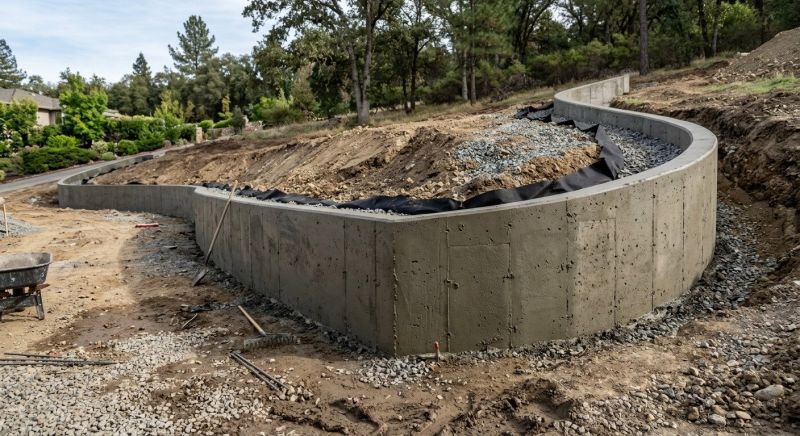
Retention Wall Construction in Marin County, CA
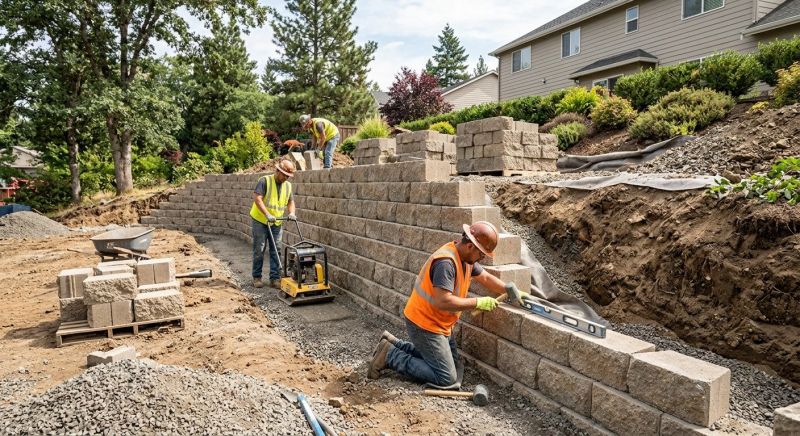
Retention wall construction services involve designing and building structures that hold back soil, prevent erosion, and create level areas on sloped properties. These walls are commonly used in landscaping projects such as terracing yards, creating garden beds, or managing uneven terrain. Homeowners typically seek these services to improve their property's stability, enhance outdoor aesthetics, or increase usable space on challenging slopes. Before requesting a retention wall, property owners should consider factors like the type of soil, drainage needs, and the intended purpose of the wall to ensure the design meets their specific landscape requirements.
It is important for property owners to understand the different materials available, such as concrete, stone, or timber, and how each suits various project goals and budgets. Additionally, considerations around the height and length of the wall, local building codes, and proper drainage solutions are essential for a successful installation. Clear communication about these details can help ensure the retention wall construction aligns with the property's landscape needs and provides long-lasting stability.
Many property owners in Marin County, CA look into Retention Wall Construction for repairs, replacements, upgrades, and appearance-related improvements.
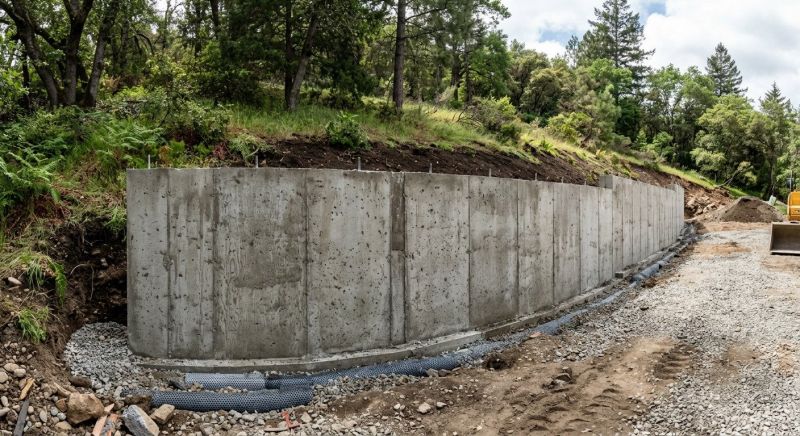
Types Of Retention Walls
Various styles like gravity, cantilever, and anchored walls suit different landscape needs.
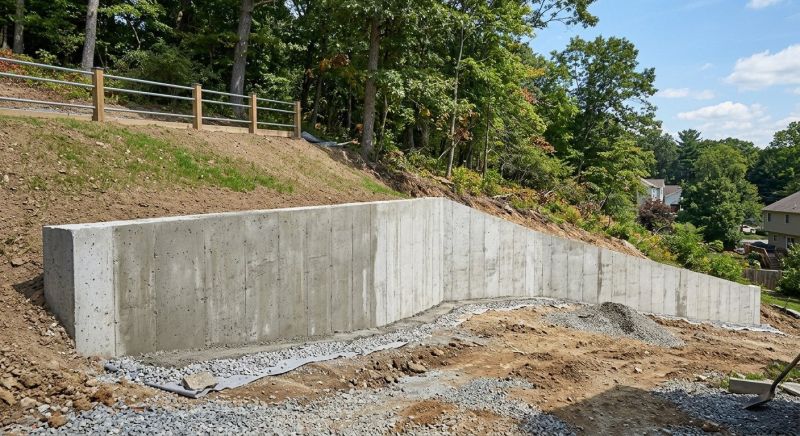
Benefits Of Retention Walls
They help prevent soil erosion, create level areas, and enhance property stability.
Design Considerations
Choosing the right materials and construction techniques ensures durability and aesthetic appeal for marin county landscapes.
Retention Wall Construction in Marin County, CA

Retention wall construction services involve designing and building structures that hold back soil, prevent erosion, and create level areas on sloped properties. These walls are commonly used in landscaping projects such as terracing yards, creating garden beds, or managing uneven terrain. Homeowners typically seek these services to improve their property's stability, enhance outdoor aesthetics, or increase usable space on challenging slopes. Before requesting a retention wall, property owners should consider factors like the type of soil, drainage needs, and the intended purpose of the wall to ensure the design meets their specific landscape requirements.
It is important for property owners to understand the different materials available, such as concrete, stone, or timber, and how each suits various project goals and budgets. Additionally, considerations around the height and length of the wall, local building codes, and proper drainage solutions are essential for a successful installation. Clear communication about these details can help ensure the retention wall construction aligns with the property's landscape needs and provides long-lasting stability.
Many property owners in Marin County, CA look into Retention Wall Construction for repairs, replacements, upgrades, and appearance-related improvements.
Common Retention Wall Construction Jobs
Retaining Wall Installation - provides support for slopes and prevents soil erosion on residential properties.
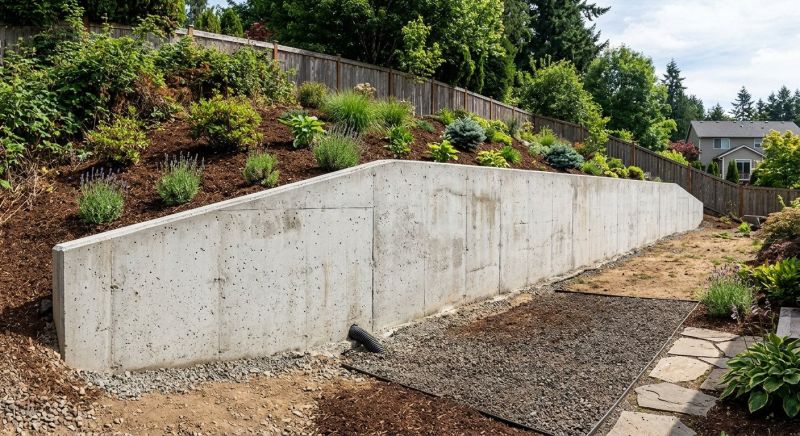
Concrete Retaining Walls - offers durable, long-lasting structures suitable for various landscape needs.
Stone Retaining Walls - enhances curb appeal while effectively managing hillside grading.
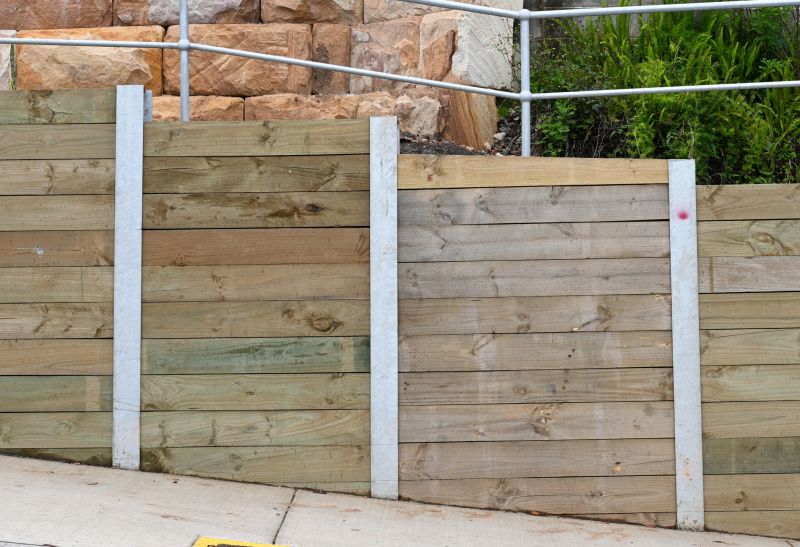
Wood Retaining Walls - creates functional landscape features with a natural aesthetic.
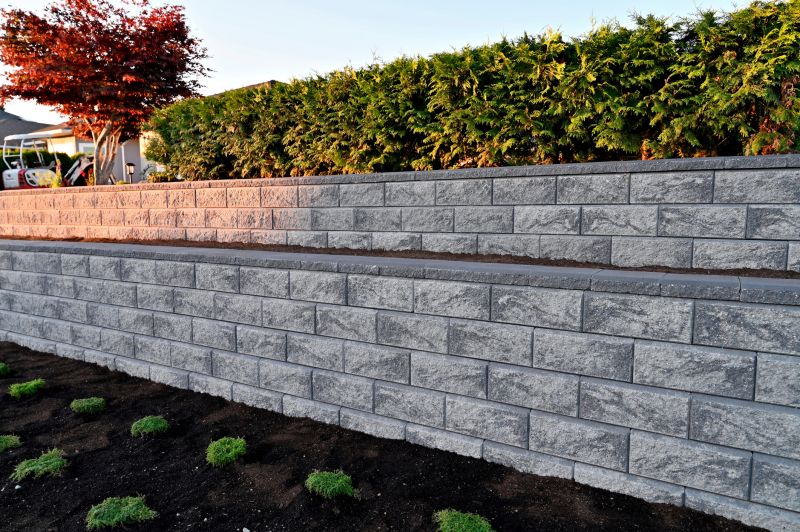
Segmental Block Walls - provides flexible design options for terracing and garden beds.
Retaining Wall Repairs - restores stability and prevents further damage to existing structures.
Retention Wall Construction Questions
What is a retaining wall used for? Retaining walls provide support for soil on sloped or uneven land, helping to prevent erosion and create level areas for landscaping or construction.
What materials are common for retaining walls? Common materials include concrete, stone, brick, and timber, each suited for different aesthetic and structural needs.
How does soil type affect retaining wall construction? Soil type influences the design and stability of the wall; for example, sandy soil may require additional reinforcement compared to clay or loam.
What factors should be considered before building a retaining wall? Important factors include land slope, drainage, soil condition, and the intended use of the area behind the wall.
Request Retention Wall Construction in Marin County, CA
Use the quote form on this page to share the basics of your project and request more information for the type of work you need.